High Fiber Snacks: The Complete Guide (25+ Easy Ideas)

By Flavor Flip. Published July 15, 2026.
Reviewed by the Flavor Flip test kitchen. Every gram count below comes from a cited nutrition source or was cross-checked against USDA FoodData Central on July 15, 2026.
Fiber is the nutrition story of 2026. In 2026, Supermarket Perimeter reported that fiber-focused articles saw a 9,500% jump in pageviews in one year, with 60% of Gen Z saying they want more fiber. Yet most of us aren’t eating it: nearly 1 in 3 Americans gets under 20 grams a day. This guide to high fiber snacks covers what actually counts as one, how much fiber you need, 25+ easy ideas with real gram counts, and how to ramp up without the bloat. Snacks are the simplest place to close the gap, and you don’t need a single ultra-processed bar to do it.
Key Takeaways
- A high fiber snack should deliver at least 3 g of fiber; 5 g or more counts as an “excellent source.”
- Nearly 1 in 3 Americans eats under 20 g of fiber a day against a 25 to 38 g target (Food Drink Life, 2026).
- Two or three smart snacks can close most of the gap on their own.
- Pair fiber with protein for the biggest fullness payoff, and add new fiber slowly, about 5 g per week.
What counts as a high fiber snack?
A high fiber snack delivers at least 3 grams of fiber per serving. Food labeling sets the bar even more precisely: 2 grams qualifies as a “good source” of fiber, and 5 grams or more as an “excellent source” (Cleveland Clinic, 2025). Dietitians suggest snacks in the 3 to 7 gram range between meals, which is enough to matter for both gut health and fullness.
Fiber comes in two forms, and both belong in your snacks. Soluble fiber, the kind in oats, chia, beans, and apples, dissolves into a gel that slows digestion and steadies blood sugar. Insoluble fiber, the kind in vegetable skins, seeds, and whole grains, adds bulk and keeps things moving. Whole foods almost always bring a mix of the two.
One distinction worth making early: whole-food fiber and fiber-fortified products aren’t the same thing. Plenty of packaged “fiber bars” hit their numbers with isolated fibers inside an ultra-processed formula, part of a trend EWG flagged in its 2026 look at fortified snack products. Every snack in this guide starts from whole ingredients instead: fruit, legumes, seeds, whole grains, and dairy.
How much fiber do you need per day?
The daily targets are 25 grams for women and 38 grams for men, with the FDA’s Daily Value set at 28 grams — and the average American adult manages only about 15 grams (Healthline, 2025). In 2026, reporting on the fiber gap found that nearly 1 in 3 Americans eats fewer than 20 grams a day. That’s a 10 to 20 gram shortfall for most people, every single day.
The 2025-2030 Dietary Guidelines raised the stakes, explicitly tying high-fiber foods to a diverse gut microbiome. But you don’t need to rebuild your meals to get there. Do the snack math instead: a chia pudding (10 g), a half cup of roasted edamame (9 g), or an apple (4.5 g) between meals stacks up fast.
Why is everyone fibermaxxing in 2026?
Fibermaxxing, the practice of deliberately maxing out daily fiber, is 2026’s biggest nutrition trend, and the evidence mostly backs it. In May 2026, NPR reported that the trend’s benefits are “worth the hype”: better satiety, steadier energy, and meaningful support for gut and heart health.
The funny part? None of this is new. As Millennial Magazine put it in July 2026, fibermaxxing turned one of nutrition’s oldest recommendations into a viral lifestyle of grocery hauls and chia-topped bowls. The advice your grandmother got — eat more plants — now has a hashtag.
Want the full playbook? Our guide to what fibermaxxing is and how to snack smart covers the safe ramp-up and the snacks that do it right.
Here’s our take after months of testing high-protein recipes: don’t switch teams. The smart move for 2026 isn’t abandoning your protein goal for a fiber goal, it’s combining them in the same snack. Research covered later in this guide shows the two nutrients suppress appetite better together than either does alone. Fibermaxxing without protein just makes you hungry differently.
What are the best high fiber snacks?
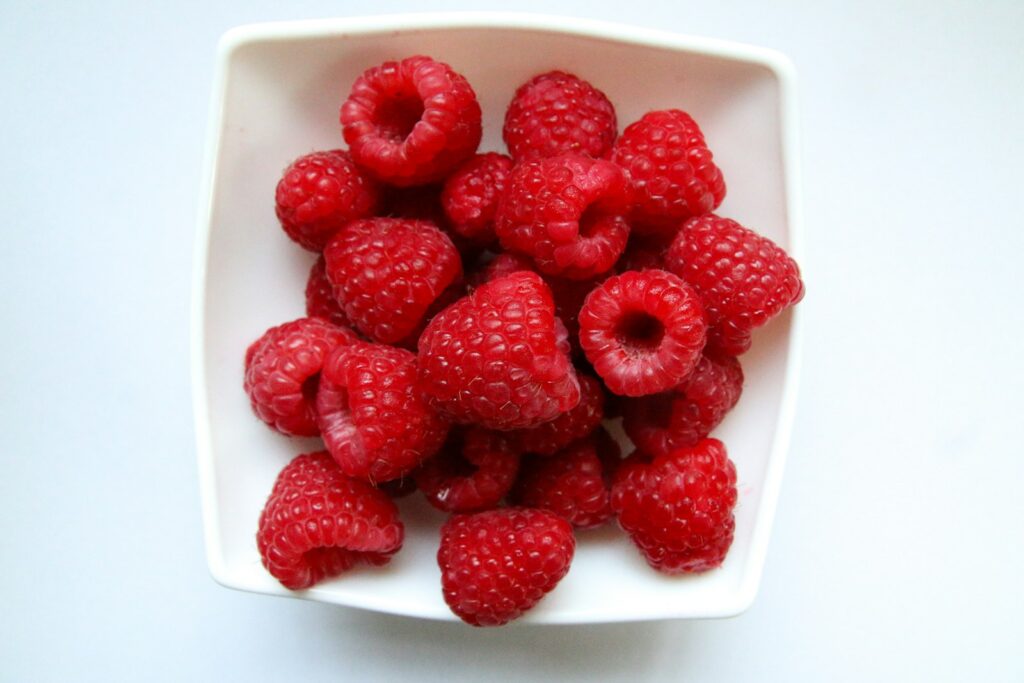
The best high fiber snacks pack 3 or more grams of fiber into a portion you’d actually eat, and the single most efficient whole food is the raspberry, at about 8 grams of fiber per cup for only 64 calories. Below are 25+ options organized into five categories, so you can grab what fits your craving.
To rank them fairly, we computed fiber per 100 calories for the core whole foods, using USDA FoodData Central per-serving values. It’s a measure you won’t find on the medical charts, and it changes the picture: berries and beans beat nuts by a wide margin.
No-bake and sweet high fiber snacks
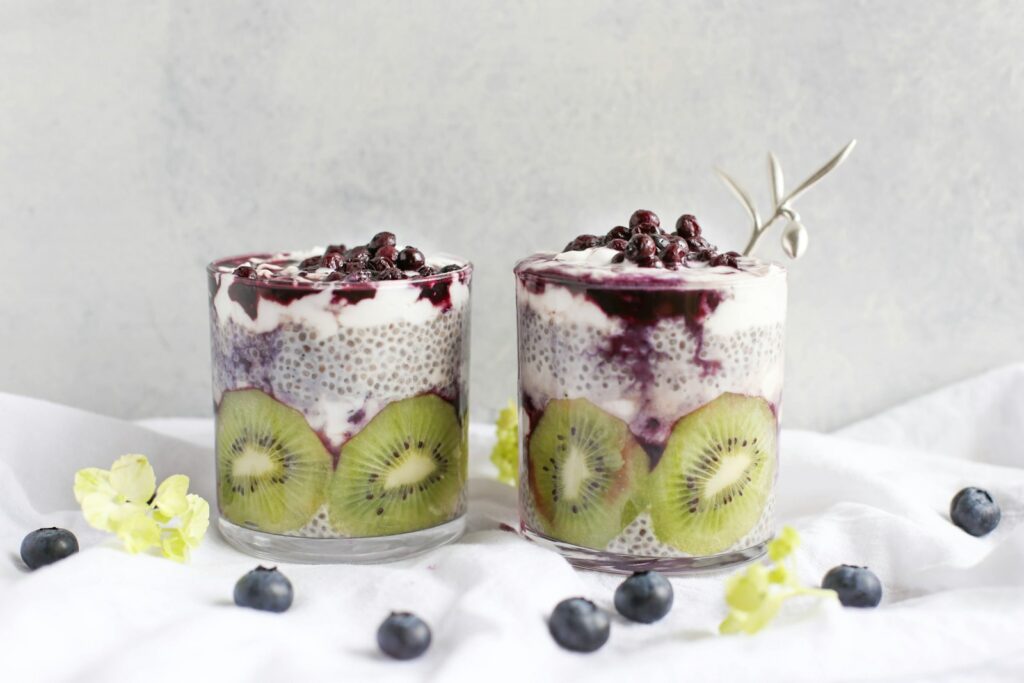
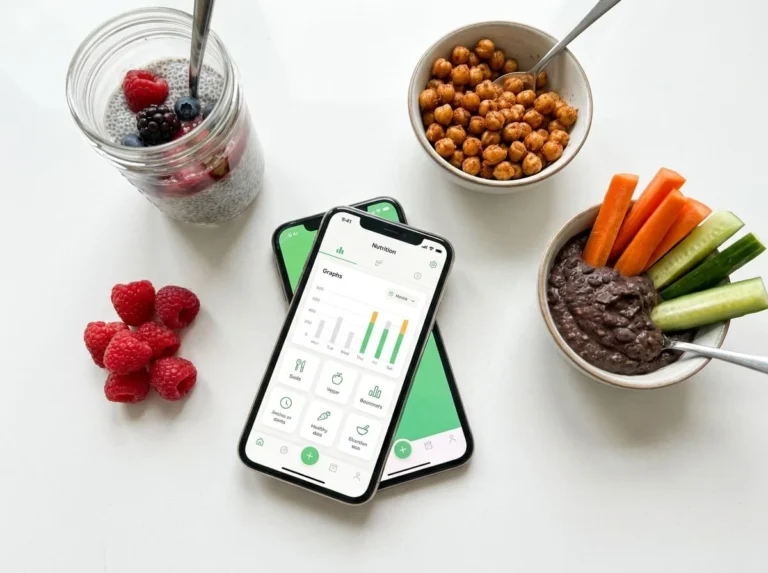
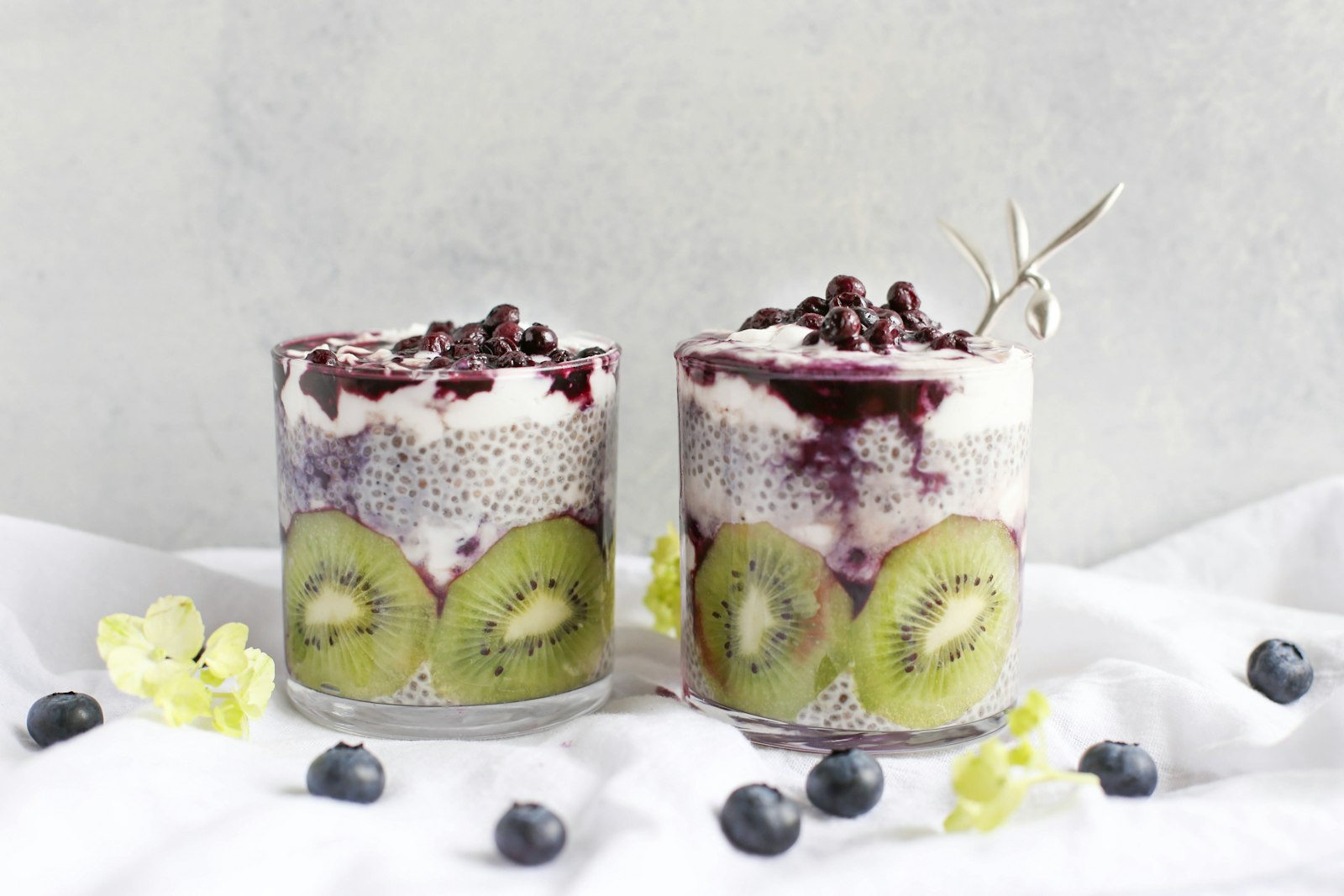
Chia pudding is the no-cook champion: just 2 tablespoons of chia seeds carry 10 grams of fiber, before you even add berries. Prefer to sip it? Our chia seed water puts the same seeds in a drinkable form. No-bake fiber bars made from bran cereal, flax, and nut butter run about 6 grams of fiber and 6 grams of protein per bar, and energy bites built on oats and flax land in the same range.
Sweet tooth, no oven? Our no-bake chocolate oatmeal cookies get their fiber from oats, and our peanut butter banana bites add fruit fiber with a five-minute prep. Freeze either and they hold for weeks.
Building your own energy bites? The base formula is 1 cup rolled oats, half a cup of nut butter, a quarter cup of ground flax, and a third cup of honey. That puts oat and flax fiber in every ball with no oven involved. Roll, chill, done. A batch keeps five days in the fridge, and the mix forgives almost any add-in: cocoa nibs, chopped dates, shredded coconut.

High protein high fiber snacks
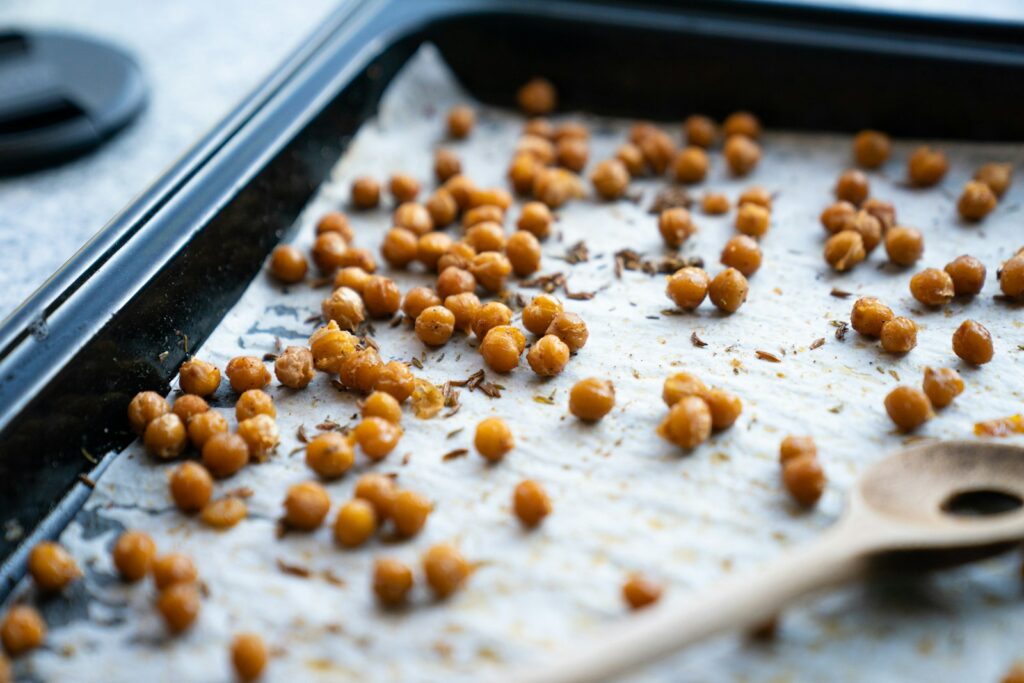
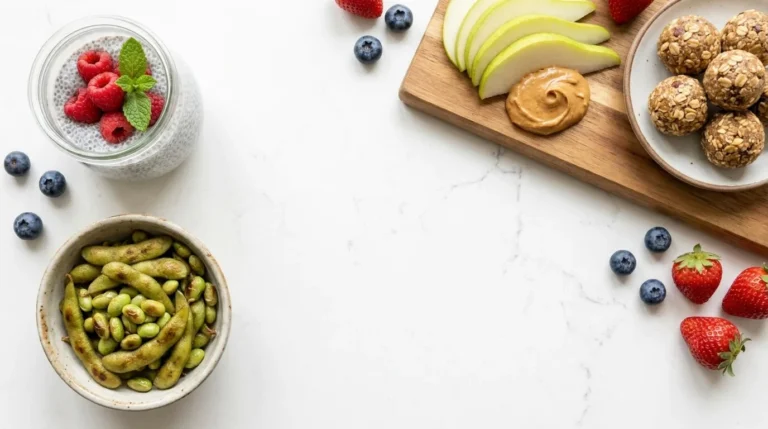
This is the category we build FlavorFlip around. Roasted edamame leads with about 22 grams of protein and 9 grams of fiber per half cup (AOL, 2025). Cinnamon roasted chickpeas deliver roughly 11 grams of protein and 10 grams of fiber per serving. A cottage cheese jar layered with crispy chickpeas and peppers covers both macros in one container.
For a morning-friendly spin, our high protein breakfast snacks round up quick options, and our high protein frozen yogurt clusters prove dessert can pull double duty.
Fruit and veggie high fiber snacks
Fruit is the lowest-effort fiber there is. Cleveland Clinic’s chart puts berries, pears, and avocados at 3 to 8 grams per serving, and a medium apple with peanut butter carries about 4.5 grams from the apple alone. Raspberries top the per-calorie chart above; keep a bag frozen and they work in yogurt, smoothies, or straight from the freezer.
On the savory-fresh side, half an avocado on toast is a snack-sized version of our avocado egg toast, warm air fryer baked apples turn fruit fiber into dessert, and our blueberry cottage cheese ice cream sneaks fruit and protein into the same scoop.

Savory and crunchy high fiber snacks
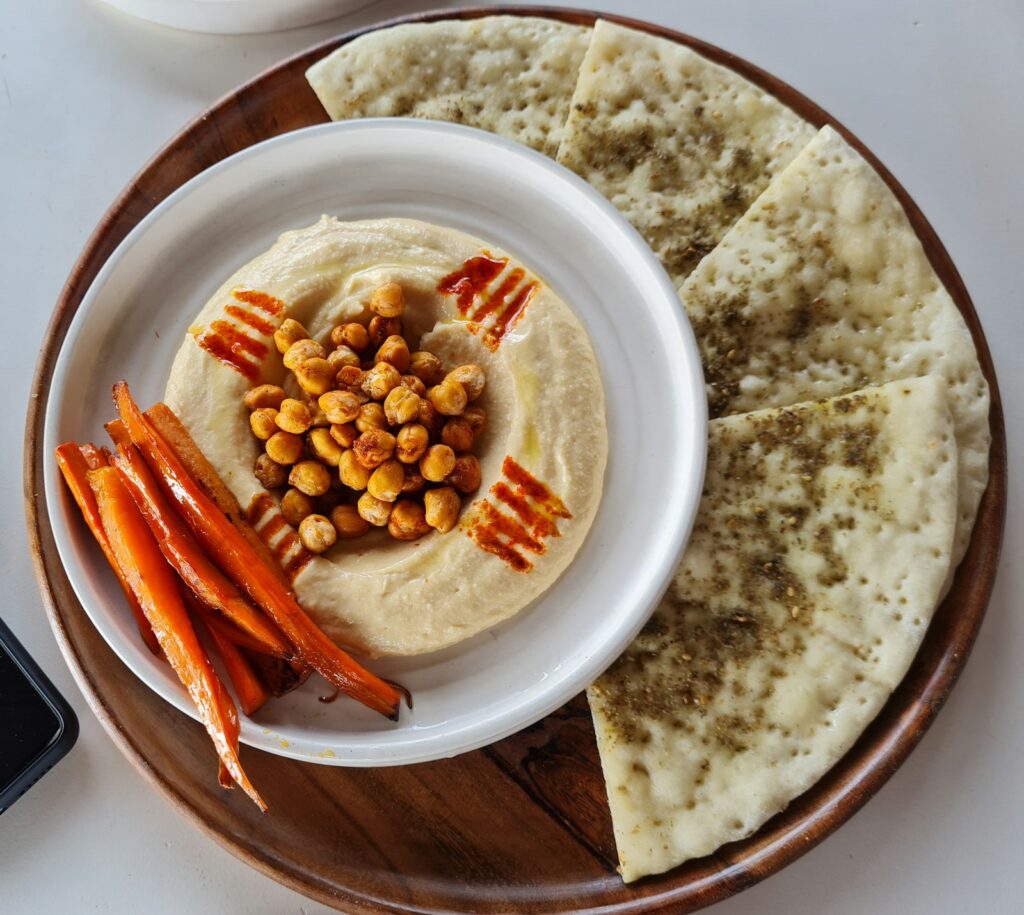
Legumes do the heavy lifting here. A half cup of black beans brings 8.5 grams of fiber, which makes a quick black bean dip one of the highest-fiber dips you can serve. Hummus with whole-grain crackers stacks chickpea fiber on grain fiber, lentil snack cups batch-cook for the week, and air-popped popcorn is a whole grain in disguise at around 3.5 grams per three cups.
Want it meal-adjacent? A scoop of our chickpea salad in a small container is a snack-box staple that holds up for days in the fridge.
Bean dips deserve a bigger reputation, too. Blitz a drained can of black beans with lime, cumin, and a spoonful of salsa, and you have a dip that can pack more than 15 grams of fiber per cup, while the vegetable sticks you dip with add about 3 grams per cup of their own.
High fiber snacks for kids and on-the-go
Kid rules: portable, not crumbly, nothing that needs a spoon in the car. Apple “sandwiches” with peanut butter, snack-bag trail mix with almonds and dried fruit, popcorn bags, and berry-and-yogurt cups all clear the 3 gram bar without looking like health food. Frozen treats work too — our frozen strawberry yogurt clusters are a lunchbox-friendly way in.
One label-reading tip for packaged kid snacks: check the fiber line for at least 2 grams, the “good source” floor, and skip anything that lists more sugar than fiber.
For busy weeks, build snack boxes on Sunday: one fruit, one crunch, one protein per box. A clementine, a handful of popcorn, and a cheese stick clears 4 grams of fiber, and kids grab it without negotiation. Five boxes take about fifteen minutes of prep.
How do protein and fiber work together?
Protein and fiber suppress appetite through different mechanisms, and the combination beats either alone. In a University of Minnesota satiety study, a snack with 14 grams of protein plus 5 grams of fiber produced appetite responses similar to 24 grams of protein by itself. Fiber slows stomach emptying; protein triggers fullness hormones. Stack them and the effects compound.
Fiber can even substitute for protein volume. In a 2025 fullness comparison, a bean meal with 17 grams of protein and 12 grams of fiber matched a beef meal with 26 grams of protein and 3 grams of fiber over three hours (Consultant360, 2025). That’s why the plant-based picks in this guide punch above their protein numbers.
Want the full breakdown? We ranked 15 high fiber high protein snacks by their combined Fullness Score, with tips, storage notes, and swaps for every pick.
How do you build your own high fiber snack?
Use a three-part formula: a fiber base of at least 3 grams, a protein anchor, and one texture or flavor element that makes you actually want it. Every strong snack in this guide follows that pattern, and it turns a handful of pantry staples into dozens of combinations.
Step 1: pick your fiber base. Chia seeds (10 g per 2 tablespoons), raspberries (8 g per cup), black beans (8.5 g per half cup), a pear, or plain rolled oats. This is the part most store-bought snacks quietly skip.
Step 2: add a protein anchor. Greek yogurt, cottage cheese, edamame, or a scoop of hummus. Protein is what stretches fullness from held-me-an-hour to made-it-to-dinner.
Step 3: make it worth repeating. Crunch from roasted chickpeas or popcorn, sweetness from honey or dates, or salt and spice like chili-lime. Fiber only helps if you eat it again tomorrow.
Three combinations we keep coming back to in the test kitchen: Greek yogurt with chia and frozen raspberries (about 13 g fiber and 15 g protein from the cited per-ingredient counts above), cottage cheese topped with black bean salsa and a few tortilla chips, and a pear alongside a half cup of roasted edamame. Each takes under five minutes.
How do you add fiber without bloating?
Go slow. Mayo Clinic’s guidance is to add no more than about 5 grams of new fiber per week, while drinking more water (Mayo Clinic, 2025). Fiber absorbs water as it works; skip the glass and you trade hunger for bloating. This is the caveat most fibermaxxing content leaves out.
A realistic ramp looks like this. Week one, add a single apple or pear to your afternoon. Week two, swap your usual crunchy snack for roasted chickpeas twice. Week three, introduce a chia pudding or bean dip. By week four you’ve added 12 to 15 grams a day, without your gut staging a protest.
If you do feel bloated, hold your current level for a week instead of adding more, favor soluble-fiber picks like oats and chia over raw crucifers, and check your water intake first. Persistent trouble is a sign to talk to a professional, not to push through.
Which snacks give you the most fiber per calorie?
Here’s the FlavorFlip Fiber Table: the guide’s core snacks with fiber, protein, and our fiber-per-100-calories score in one place. Whole-food rows are computed from USDA FoodData Central per-serving values; recipe rows cite their published source, and we leave a dash where the source doesn’t publish calories rather than estimate them.
| Snack | Serving | Fiber (g) | Protein (g) | Fiber per 100 cal | No-cook? |
|---|---|---|---|---|---|
| Raspberries | 1 cup | 8 | 1.5 | 12.5 | Yes |
| Black beans | ½ cup | 8.5 | 7 | 7.7 | Yes (canned) |
| Chia pudding | 2 tbsp chia | 10 | 5 | 7.2 | Yes |
| Lentil snack cups | ½ cup cooked | 8 | 9 | 7.0 | No |
| Roasted edamame | ½ cup | 9 | 22 | 6.4 | No |
| Pear | 1 medium | 5.5 | 1 | 5.4 | Yes |
| Apple | 1 medium | 4.5 | 0.5 | 4.7 | Yes |
| Roasted chickpeas | ½ cup | 6 | 7 | 4.5 | No |
| Air-popped popcorn | 3 cups | 3.5 | 3 | 3.8 | No |
| No-bake fiber bars | 1 bar | 6 | 6 | — | Yes |
| Cottage cheese + chickpea jar | 1 jar | 3 | 14 | — | Yes |
Two test-kitchen notes from building this table. First, texture sells fiber: roasted chickpeas that rattle in the pan get eaten, chewy ones don’t, so store them uncovered. Second, chia pudding thickens best at a 3-to-1 liquid ratio; go thicker and the texture turns paste-like, which is where most people give up on it.
Frequently asked questions
What counts as a high fiber snack?
A snack with at least 3 grams of fiber does meaningful work, and 5 grams or more qualifies as an “excellent source” under food-labeling rules (Cleveland Clinic, 2025). The 2 gram mark earns “good source” status. Dietitians suggest aiming for 3 to 7 grams per between-meal snack.
How much fiber should I eat per day?
Targets are 25 grams for women, 38 grams for men, and the FDA Daily Value is 28 grams (Healthline, 2025). Most Americans average only about 15 grams, and nearly 1 in 3 stays under 20 grams, so two or three high fiber snacks close most of the gap.
What is the highest fiber snack?
Per portion, chia pudding wins: 2 tablespoons of chia seeds hold 10 grams of fiber (Sun River Health, 2025). Per calorie, raspberries lead at roughly 8 grams per 64-calorie cup. For fiber plus protein together, roasted edamame’s 9 grams of fiber and 22 grams of protein per half cup is hard to beat.
Do high fiber snacks help with weight loss?
They help by keeping you full on fewer calories. Aim for at least 3 grams of fiber per snack (AOL, 2025), and pair it with protein: research found 14 grams of protein plus 5 grams of fiber curbed appetite about as well as 24 grams of protein alone.
Can you eat too much fiber too fast?
Yes, and it’s the most common fibermaxxing mistake. Adding a lot of fiber at once causes gas, cramping, and bloating. Mayo Clinic recommends adding no more than about 5 grams of new fiber per week while increasing water (Mayo Clinic, 2025).
Start closing your fiber gap today
The playbook is short. Treat 3 grams as your snack floor and 5 grams as the win. Stack two or three high fiber snacks a day and the 15-to-28 gram gap mostly closes itself. Pair fiber with protein for fullness that actually lasts. And ramp up by about 5 grams a week, with water.
Start with the highest-payoff move: pick one snack from the Fullness Score list or whip up a chia pudding tonight. Then save this guide to your snack board on Pinterest — the Fiber Table above will keep growing as we test and publish each recipe in this series.
Sources
- Cleveland Clinic, “20+ High-Fiber Foods To Keep Your Gut Healthy,” retrieved 2026-07-15, https://health.clevelandclinic.org/high-fiber-foods
- Healthline, “How Much Fiber Should I Eat Per Day?,” retrieved 2026-07-15, https://www.healthline.com/health/food-nutrition/how-much-fiber-per-day
- Food Drink Life, “Most Americans fall short on fiber — and the food industry sees an opening,” retrieved 2026-07-15, https://fooddrinklife.com/most-americans-fall-short-on-fiber/
- Sun River Health, “High Fiber Snacks,” retrieved 2026-07-15, https://www.sunriver.org/sun-river-healthy/high-fiber-snacks/
- Supermarket Perimeter, “Fiber competes with protein for top health trend of 2026,” retrieved 2026-07-15, https://www.supermarketperimeter.com/articles/14111-fiber-competes-with-protein-for-top-health-trend-of-2026
- NPR, “The ‘fibermaxxing’ trend has health benefits worth the hype,” retrieved 2026-07-15, https://www.npr.org/2026/05/18/nx-s1-5821598/fibermaxxing-healthy-fiber-foods-diet-benefits
- Millennial Magazine, “Fibermaxxing Trends Are Everywhere. Why This Gut Habit Isn’t New,” retrieved 2026-07-15, https://millennialmagazine.com/2026/07/06/fibermaxxing-trends/
- University of Minnesota Digital Conservancy, protein and fiber satiety study, retrieved 2026-07-15, https://conservancy.umn.edu/items/c0adb896-40c0-4127-b7a6-930525897a4f
- Consultant360, “Fiber vs Protein: Which Is Best for Satiety?,” retrieved 2026-07-15, https://www.consultant360.com/exclusives/fiber-vs-protein-which-best-satiety
- Mayo Clinic, “Chart of high-fiber foods,” retrieved 2026-07-15, https://www.mayoclinic.org/healthy-lifestyle/nutrition-and-healthy-eating/in-depth/high-fiber-foods/art-20050948
- AOL, “The 20 Best High-Fiber Snacks,” retrieved 2026-07-15, https://www.aol.com/20-best-high-fiber-snack-170000284.html
- Rip Van, “Your Ultimate Guide to Healthy High Fiber Snacks,” retrieved 2026-07-15, https://www.ripvan.com/blogs/all-news/healthy-high-fiber-snacks
- Joy to the Food, “High Protein High Fiber Recipes,” retrieved 2026-07-15, https://joytothefood.com/high-protein-high-fiber-recipes/
- Eating Bird Food, “No-Bake High Fiber Bars,” retrieved 2026-07-15, https://www.eatingbirdfood.com/high-fiber-bars/
- EWG, “Protein is everywhere. It probably isn’t making us healthier,” retrieved 2026-07-15, https://www.ewg.org/news-insights/news/2026/05/protein-everywhere-it-probably-isnt-making-us-healthier
- USDA FoodData Central, per-serving nutrition values, retrieved 2026-07-15, https://fdc.nal.usda.gov/
Most of these snacks involve raw produce, so it is worth knowing how to wash leafy greens safely.