12 High Protein Snacks, Ranked by Protein per Calorie
The leanest high protein snacks are light tuna, plain Greek yogurt, deli turkey and cottage cheese. Each gives 13 to 21 g of protein for every 100 calories, according to USDA FoodData Central. Nuts and seeds carry protein too, but you pay three to six times the calories for the same gram count.
Below are 12 snacks with their protein, calories and a protein-per-100-calories score, all worked out from USDA data for a normal serving. Use the table to pick by goal: most protein for the fewest calories, or protein plus fiber that keeps you full longer.
What counts as a high protein snack?
On a food label, “high protein” has a legal meaning. The FDA allows a “high in” or “excellent source” claim when a serving gives at least 20% of the Daily Value, and a “good source” claim at 10 to 19% (21 CFR 101.54). The protein Daily Value is 50 g (FDA), so a serving needs 10 g to count as high in protein and 5 g to count as a good source.
That 10 g line is a practical target for a snack, too. MedlinePlus notes that 1 ounce of most protein-rich foods, such as meat, fish or one large egg, gives about 7 g of protein (MedlinePlus). Five of the snacks below reach 10 g on their own, and the rest get there when you pair two of them.
The 12 snacks at a glance
| Snack | Serving | Protein | Calories | Protein per 100 kcal | USDA source |
|---|---|---|---|---|---|
| Light tuna in water, drained | 3 oz (85 g) | 16.1 g | 76 | 21.2 g | FDC 334194 |
| Plain nonfat Greek yogurt | ¾ cup (170 g) | 17.5 g | 104 | 16.8 g | FDC 330137 |
| Deli turkey breast | 2 oz (56 g) | 8.3 g | 59 | 14.1 g | FDC 172941 |
| Cottage cheese, 2% | ½ cup (113 g) | 12.4 g | 95 | 13.1 g | FDC 328841 |
| Edamame, shelled | 1 cup (155 g) | 18.4 g | 188 | 9.8 g | FDC 168411 |
| Part-skim mozzarella (string cheese) | 1 stick (28 g) | 6.8 g | 71 | 9.6 g | FDC 170847 |
| Hard-boiled eggs | 2 large (100 g) | 12.6 g | 155 | 8.1 g | FDC 173424 |
| Beef jerky | 1 oz (28 g) | 9.3 g | 115 | 8.1 g | FDC 167536 |
| Roasted chickpeas (from cooked) | ½ cup cooked (82 g) | 7.3 g | 134 | 5.4 g | FDC 173757 |
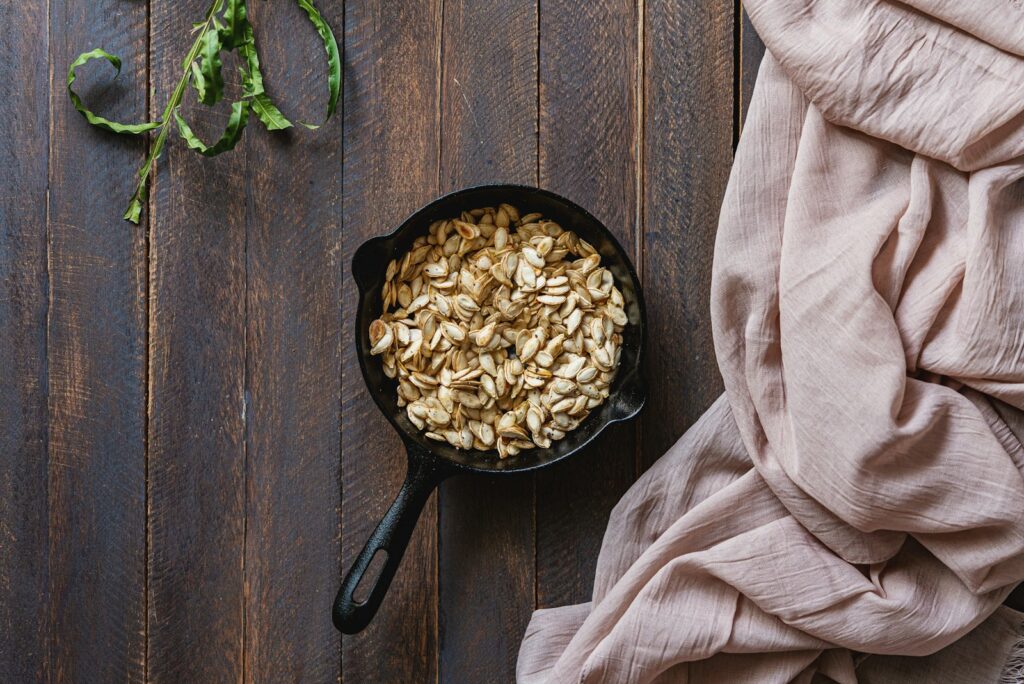
| Roasted pumpkin seeds | 1 oz (28 g) | 8.4 g | 161 | 5.2 g | FDC 170557 |
| Dry-roasted peanuts | 1 oz (28 g) | 6.8 g | 164 | 4.1 g | FDC 173806 |
| Almonds | 1 oz (28 g) | 5.9 g | 162 | 3.6 g | FDC 170567 |
Two numbers matter here. Protein per serving tells you whether one snack is enough. Protein per 100 calories tells you how “expensive” that protein is. Tuna and yogurt win on the second number by a wide margin, while almonds and peanuts sit at the bottom because most of their calories come from fat.
The leanest picks: 13+ g of protein per 100 calories
1. Light tuna in water (16.1 g protein, 76 calories)
A drained 3 oz serving of light tuna gives 16.1 g of protein for only 76 calories (FDC 334194), the best ratio on this list. Eat it straight from the can with crackers, or mash it with avocado for a quick tuna avocado salad.
2. Plain nonfat Greek yogurt (17.5 g, 104 calories)
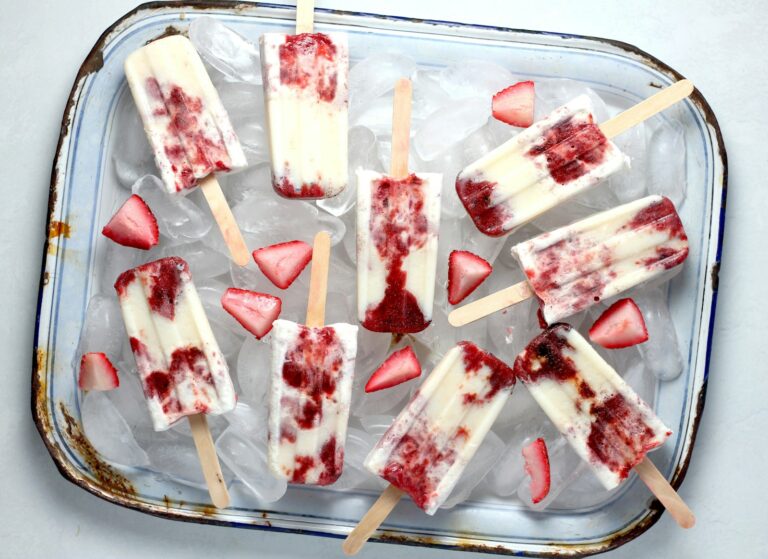
A ¾ cup single-serve cup of plain nonfat Greek yogurt has 17.5 g of protein (FDC 330137). Flavored cups often add a lot of sugar, so buy plain and add your own fruit. It also freezes well into frozen yogurt clusters for a sweet version.
3. Deli turkey breast (8.3 g, 59 calories)
Two ounces of sliced turkey breast gives 8.3 g of protein for 59 calories (FDC 172941). Roll the slices around a cheese stick or a pickle spear for a snack that holds together in a lunchbox. The catch is sodium, covered in the label section below.
4. Cottage cheese, 2% (12.4 g, 95 calories)
Half a cup of 2% cottage cheese has 12.4 g of protein (FDC 328841). If the curds put you off, blend it smooth into whipped cottage cheese, or bake it into crunchy air fryer cottage cheese chips. Watching salt? Our low sodium cottage cheese guide compares options.
The middle of the pack: 8 to 10 g per 100 calories
5. Edamame (18.4 g protein, 8.1 g fiber)
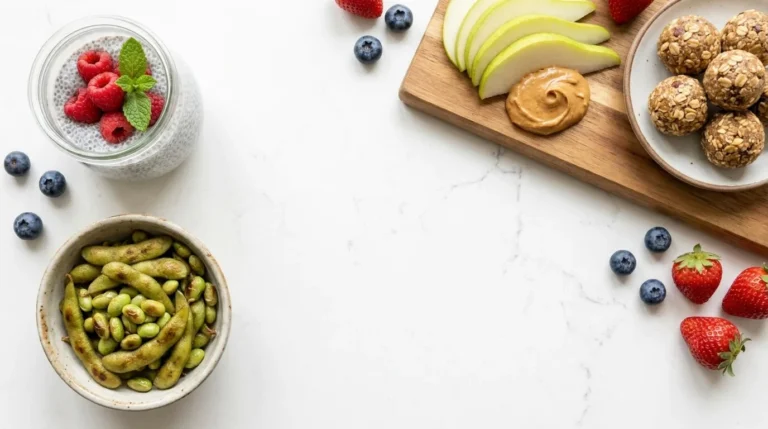
A cup of shelled edamame has 18.4 g of protein and 8.1 g of fiber for 188 calories (FDC 168411). That fiber is the reason it earns a spot: few snacks give you both in one bowl. Buy it frozen, microwave it, and finish with flaky salt or chili flakes.
6. Part-skim string cheese (6.8 g, 71 calories)
One stick gives 6.8 g of protein (FDC 170847). On its own it falls short of 10 g, but it is the easiest pairing snack on this list: add it to turkey slices and you reach 15.1 g for 130 calories.
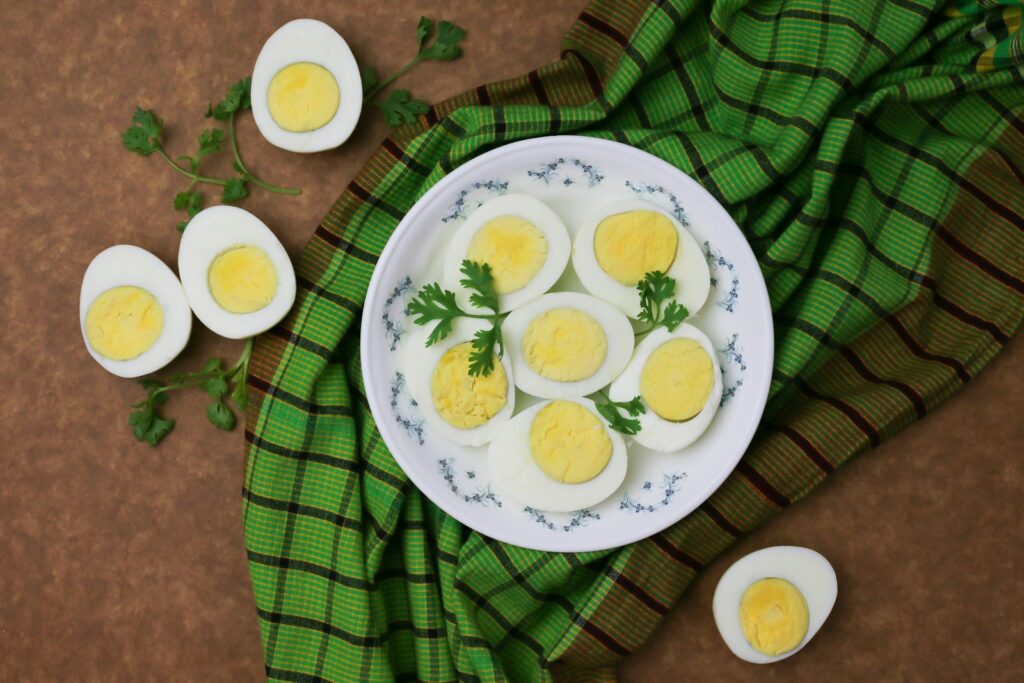
7. Hard-boiled eggs (12.6 g for two)
Two large hard-boiled eggs give 12.6 g of protein for 155 calories (FDC 173424). Boil a batch at the start of the week and keep them in the fridge in their shells. For something more interesting, the filling from our deviled eggs works as a dip for vegetables.
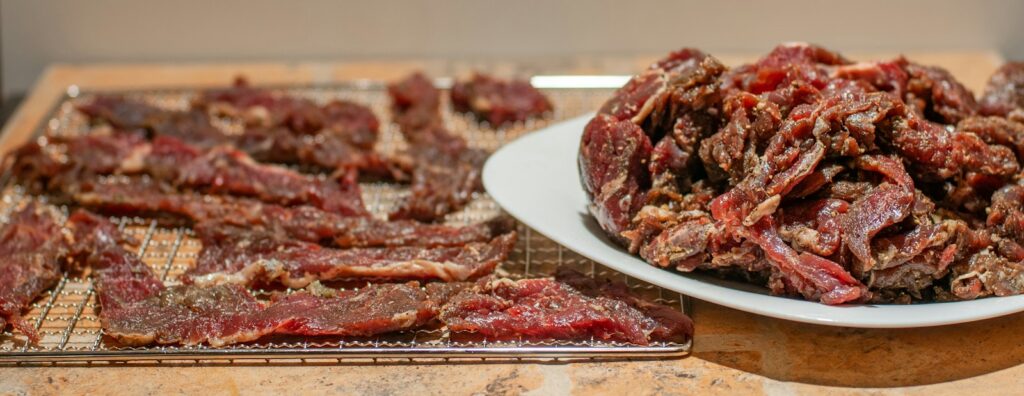
8. Beef jerky (9.3 g per ounce)
One ounce of jerky has 9.3 g of protein for 115 calories (FDC 167536). It needs no fridge, which makes it the best option for travel and hikes. It is also the saltiest snack here, so treat it as an occasional pick.
Nuts, seeds and chickpeas: protein with fiber, but calorie-dense
These four have less protein per calorie, but they bring fiber and healthy fats that the lean picks lack. Measure a portion instead of eating from the bag. One ounce is roughly a small handful.
- Roasted pumpkin seeds: 8.4 g protein and 161 calories per ounce (FDC 170557), the most protein of the nuts and seeds here.
- Roasted chickpeas: 7.3 g protein and 6.2 g fiber per ½ cup cooked (FDC 173757). Roasting dries them out without changing the protein.
- Dry-roasted peanuts: 6.8 g protein per ounce for 164 calories (FDC 173806).
- Almonds: 5.9 g protein and 3.5 g fiber per ounce (FDC 170567).
Check these three things on the label
Package claims and serving sizes can hide a lot. Three quick checks cover most of it:
- Sodium. Using USDA values, 1 oz of jerky has about 500 mg of sodium and 2 oz of deli turkey about 503 mg. Each is roughly 22% of the 2,300 mg Daily Value (FDA). Half a cup of 2% cottage cheese is about 363 mg.
- Added sugar. Flavored yogurts, protein bars and “protein” granolas can carry more added sugar than protein. The added sugars line on the label shows it directly.
- Serving size. Protein chips and bars often list a small serving. Compare the grams of protein with the grams of food you will actually eat.
Easy combos that reach 15 to 20 g
Pairing a lean pick with a fiber-rich one usually beats a single snack. Each combo below uses the same USDA numbers as the table:
- ½ cup cottage cheese + 1 oz pumpkin seeds: 20.8 g protein, 256 calories.
- ¾ cup Greek yogurt + 1 oz almonds: 23.4 g protein, 266 calories.
- 2 hard-boiled eggs + 1 string cheese: 19.4 g protein, 226 calories.
- 2 oz deli turkey + 1 string cheese: 15.1 g protein, 130 calories.
For a full make-ahead version, our high protein adult lunchables build boxes with 30 g or more. If you want protein at breakfast instead, start with protein pancakes or avocado egg toast. And to add fiber alongside protein, see our high fiber snacks.
Quick answers
Which snack has the most protein per calorie?
Light tuna canned in water: 16.1 g of protein in a 3 oz serving for 76 calories, or about 21 g per 100 calories (FDC 334194). Plain nonfat Greek yogurt is second at about 17 g per 100 calories.
How much protein should a snack have?
Aim for about 10 g. That is 20% of the 50 g Daily Value, the level the FDA requires for a “high in protein” label claim. Pairing two smaller snacks is an easy way to get there.
What is a good high protein snack without meat?
Plain Greek yogurt (17.5 g per ¾ cup), cottage cheese (12.4 g per ½ cup) and edamame (18.4 g per cup) are the strongest meat-free options in the USDA data.
Sources
- U.S. Department of Agriculture, FoodData Central, FDC IDs 334194, 330137, 172941, 328841, 168411, 170847, 173424, 167536, 173757, 170557, 173806, 170567, retrieved 2026-09-25, fdc.nal.usda.gov
- U.S. Food and Drug Administration, Daily Value on the Nutrition and Supplement Facts Labels, retrieved 2026-09-25, fda.gov
- 21 CFR 101.54, Nutrient content claims for “good source,” “high,” “more,” and “high potency”, ecfr.gov
- MedlinePlus, Protein in diet, retrieved 2026-09-25, medlineplus.gov