3-Ingredient Sauces: Hot Honey, Garlic Butter and Crunchy Garlic Oil
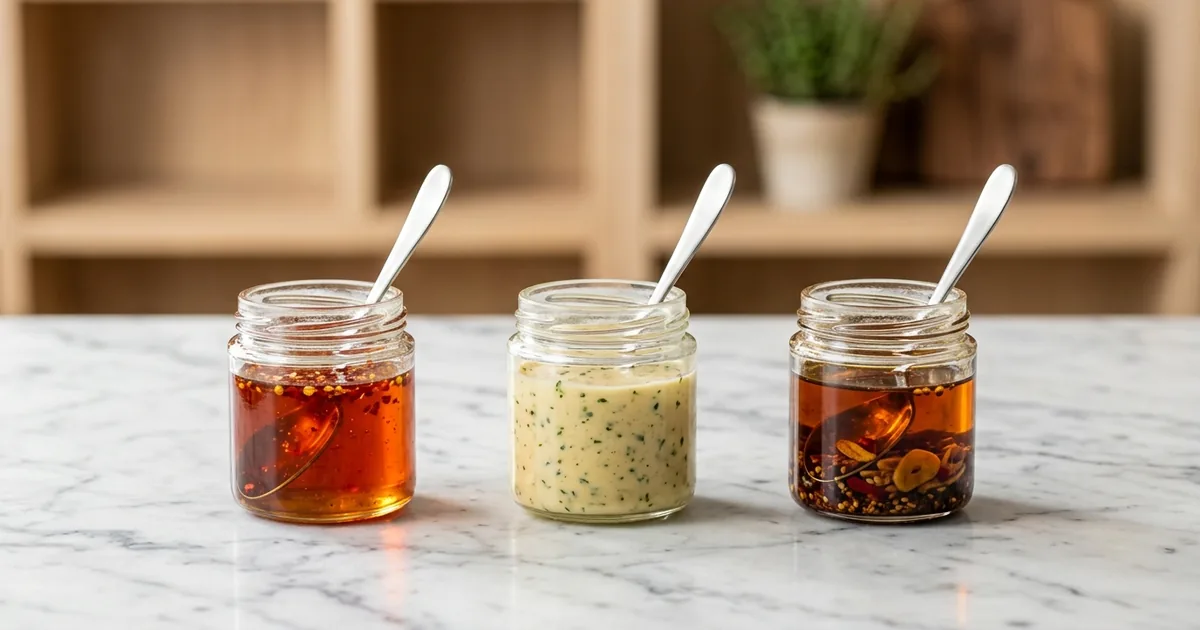
Three sauces. Three ingredients each. None of them takes longer than ten minutes, and all three live in a jar afterwards.
They also fail in three completely different ways, which is the part nobody tells you. One is ruined by too much heat, one by heat applied too fast, and one is genuinely unsafe if you store it the way you’d store the other two. Get the heat right and you can make all three in one session.
Key Takeaways
- Hot honey: honey, chilli flakes, salt. Warm gently, never simmer.
- Garlic butter: butter, garlic, parsley. Start in a cold pan so the garlic never browns.
- Crunchy garlic oil: sliced garlic, oil, chilli flakes. Cold-oil start, chilli in off the heat.
- Storage is not interchangeable. Hot honey keeps for months in a cupboard. Garlic in oil must be refrigerated and thrown out after 4 days, per the CDC.
The One Rule All Three Share: Watch the Heat
Every one of these sauces is a heat problem disguised as a recipe. There are only three ingredients, so technique is all that’s left, and in each case the mistake is the same shape: too much heat, or heat arriving too fast.
Hot honey is damaged by sustained heat, and the damage depends on how long the honey is held there, not just how hot the pan gets. Honey’s diastase and invertase activity falls, and its HMF content rises, as both temperature and holding time increase. A 2024 study of honey heating in Applied Food Research landed on roughly 47.5C (118F) for 9 minutes as the optimum for preserving both enzymes (Applied Food Research, 2024).
That’s roughly the opposite of what most recipes imply. A brief gentle warm costs you very little. What does damage is holding honey at a real simmer, which is around 100C (212F), and “bring to a simmer” is exactly what half the hot honey recipes online tell you to do.
Garlic, in contrast, has the opposite problem in both of the other two sauces. It burns at a lower temperature than most aromatics because it’s high in sugar and low in moisture, and sliced or minced pieces are so small that heat penetrates almost instantly. Push it too hard and the sugars scorch instead of browning gently, which is where the harsh bitter taste comes from.
The fix for garlic is the same in both sauces and it’s almost annoyingly simple: start it in a cold pan. Cold butter, cold oil, garlic already in, then heat. The garlic and the fat come up to temperature together, so nothing gets shocked.
The pattern. Hot honey wants low heat for a short time. Garlic wants low heat for a long time. Nothing here wants high heat, and in our experience no recipe in this post is improved by preheating the pan first.
How Do You Make Hot Honey?
Hot honey is honey infused with chilli heat, usually chilli flakes, served as a drizzle rather than a cooking ingredient. It now appears on 11.3% of US menus, up 230% over four years (Datassential), so it has stopped being a trend and started being a staple.
 Save
SaveIngredients
- 1 cup honey (any liquid honey)
- 1 to 2 tsp crushed chilli flakes
- 1/4 tsp flaky sea salt
- Optional: 1/2 tsp apple cider vinegar, added off the heat
Each one is doing a job. Honey carries the sweetness and the body. Flakes carry the heat, and they beat fresh chillies because they’re dry: fresh chillies bring water, and water in honey means fridge storage and a short life. In a 2022 HPLC/MS study of chilli olive oils, oil infused with chilli flakes carried 21.6% more capsaicinoids than oil infused with whole chillies (Molecules via PMC, 2022). Salt is the one people skip, and it’s the one that stops a cup of honey tasting cloying.
Method
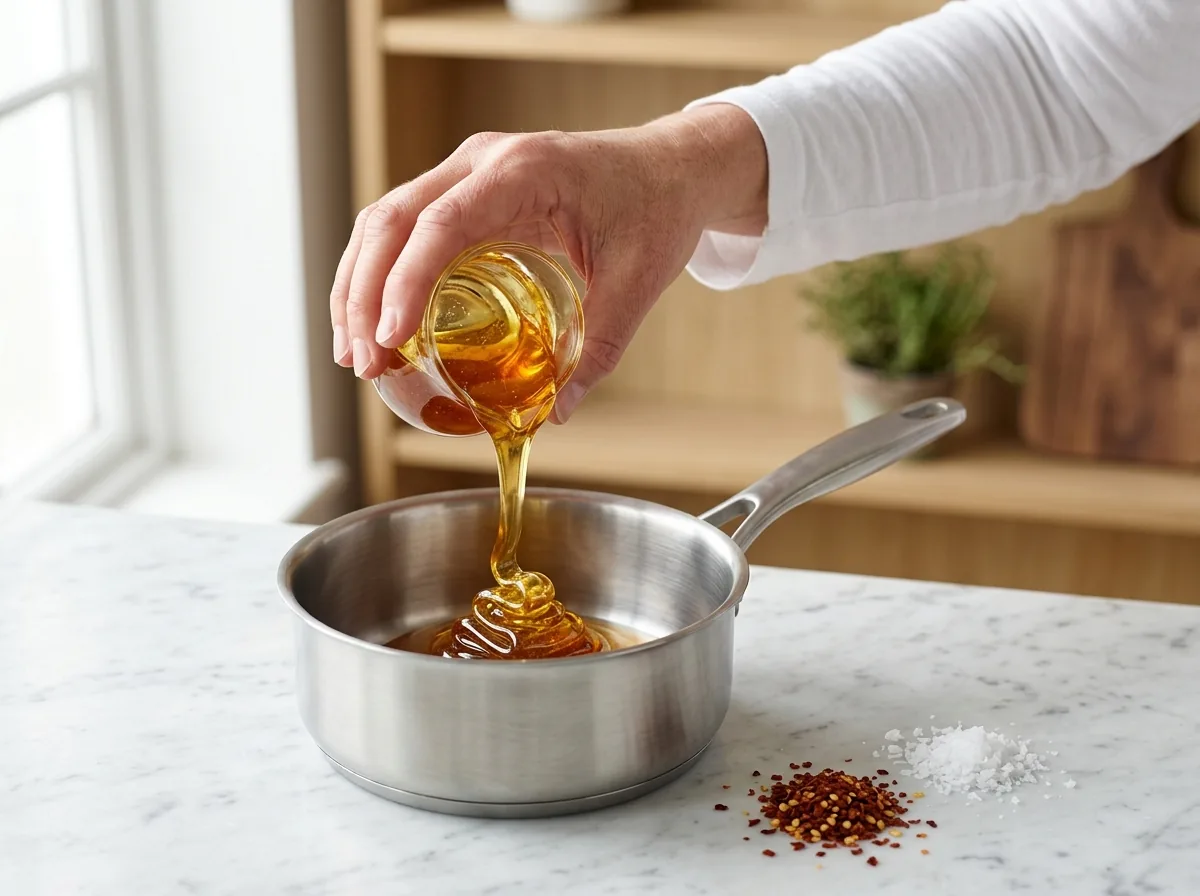
- Combine honey, chilli flakes and salt in a small saucepan, off the heat.
- Put the pan on your lowest setting. Low means low.
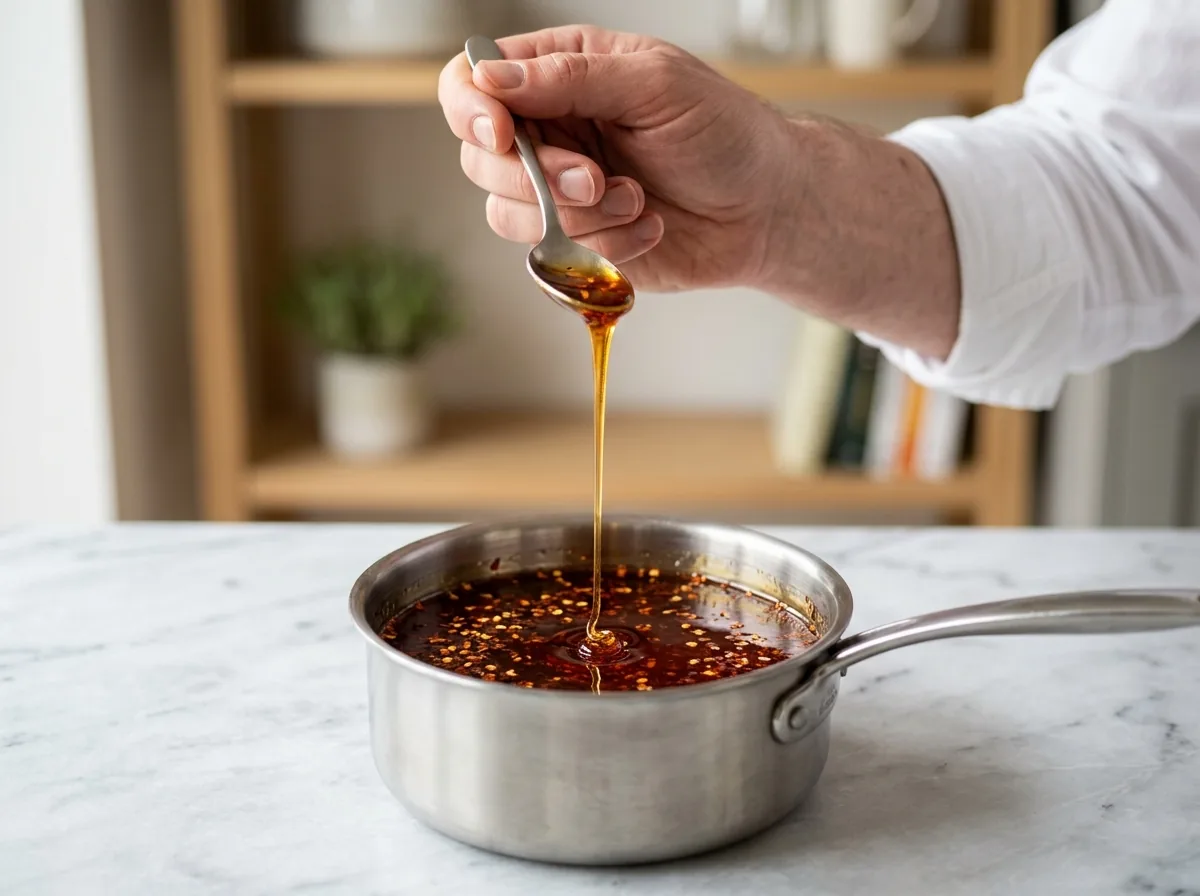
- Warm for about 5 minutes, until the honey darkens to a translucent ruby-amber and thins noticeably.
- Take it off the heat the moment it runs off a spoon in one unbroken strand. Not a bubble, not a boil, just a thin continuous ribbon.
- Steep 15 to 20 minutes, stir in the vinegar if using, then jar and seal.
 Save
SaveDo you need the vinegar?
No. Almost every hot honey recipe online adds apple cider vinegar and none of them explain why. Honey already sits at roughly 17% moisture, low enough that bacteria and moulds can’t grow, so a teaspoon of vinegar changes nothing about safety. What it changes is taste: acid cuts the sweetness and thins the pour slightly.
| Salt (1/4 tsp per cup) | Apple cider vinegar (1/2 tsp per cup) | |
|---|---|---|
| What it changes | Suppresses sweetness, pushes chilli forward | Adds acidity and a sharper finish |
| Texture | Unchanged, stays thick and clinging | Slightly thinner pour |
| Best on | Fried chicken, cheese, ice cream, churros | Pizza, roasted vegetables, dressings |
| Preservative effect | None | None |
| When to add | With the chilli, at the start | Off the heat, after steeping |
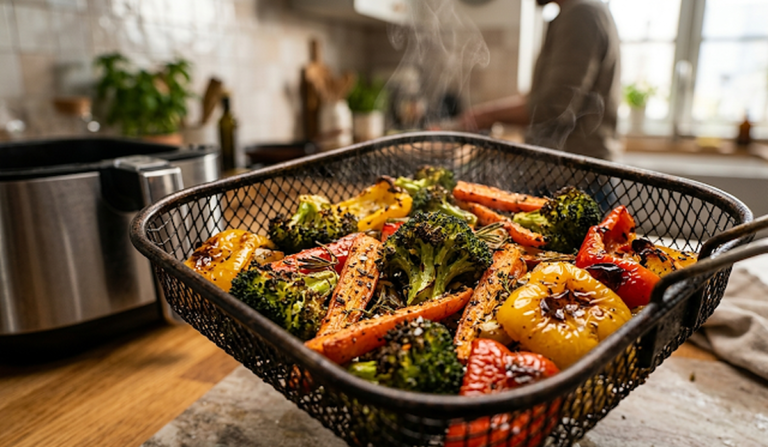
Once it’s jarred, put it on crispy fried chicken first, then pizza, biscuits, air fryer roasted vegetables, fluffy pancakes, goat cheese and vanilla ice cream. It’s also a straight upgrade on honey garlic chicken.
Hot Honey
Ingredients
Method
- Combine the honey, chilli flakes and salt in a small saucepan, off the heat.
- Put the pan on your lowest setting. Low means low.
- Warm for about 5 minutes, until the honey darkens to a translucent ruby-amber and thins noticeably.
- Take it off the heat the moment it runs off a spoon in one unbroken strand. Not a bubble, not a boil, just a thin continuous ribbon.
- Steep 15 to 20 minutes, stir in the vinegar if using, then jar and seal.
Notes
How Do You Make Garlic Butter Sauce?
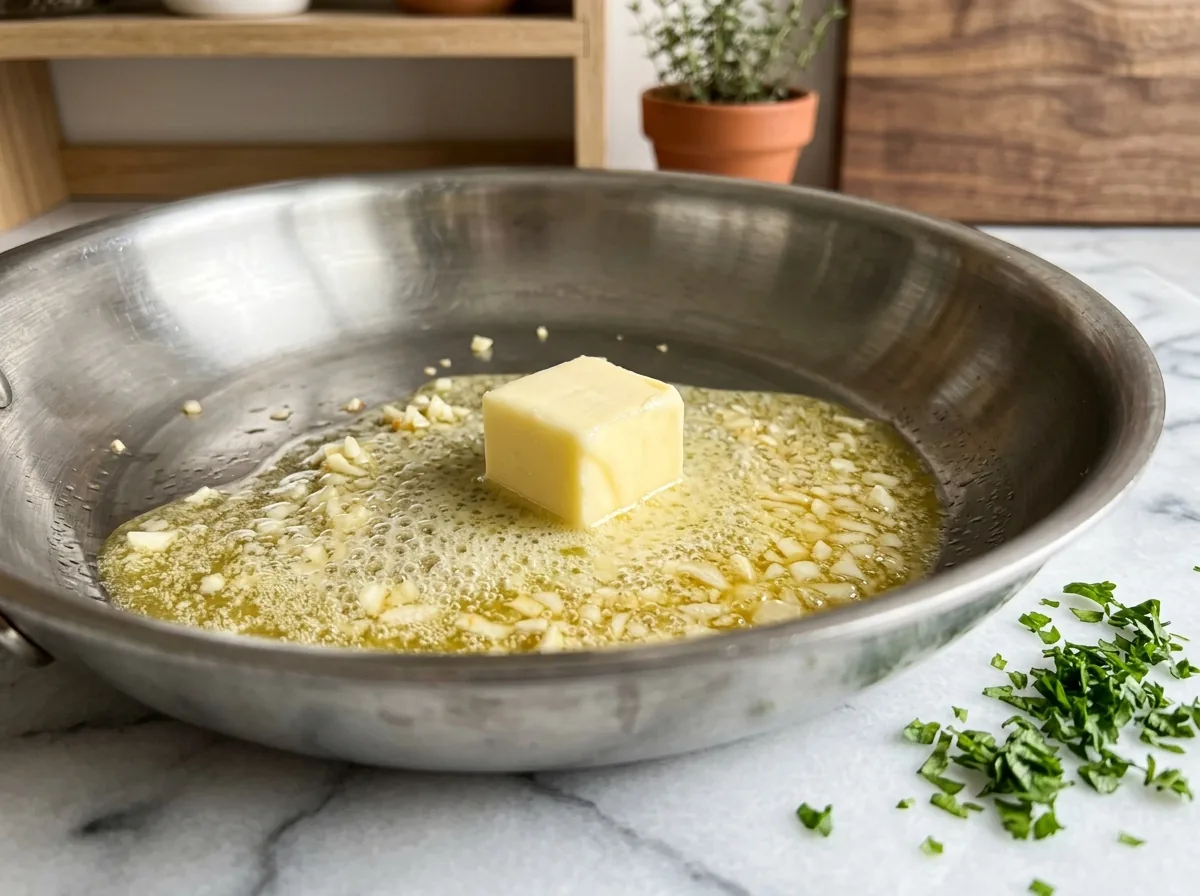
Garlic butter is the fastest of the three and the easiest to ruin. Most versions online use four to six ingredients: lemon juice, garlic powder, dried herbs, olive oil. You need three, and the technique matters more than any of the additions.
 Save
SaveIngredients
- 1/2 cup (113g) unsalted butter
- 4 to 6 cloves garlic, finely chopped
- 2 tbsp fresh parsley, finely chopped
Fresh garlic, not powder. Fresh parsley, not dried, because dried parsley in melted butter tastes like dust. Use unsalted butter so you control the seasoning, then add salt at the end if it needs it.
Method
- Put the butter and the chopped garlic into a cold skillet together. Do not preheat the pan.
- Set it over low heat and let the butter melt slowly around the garlic, about 3 minutes.
- Cook gently for another 2 minutes, until the garlic is soft and barely golden at the edges and the butter is foaming. It should never go past pale gold.
- Take the pan off the heat, stir in the parsley, and let the residual heat do the rest.
- Use warm, or pour into a jar and refrigerate.
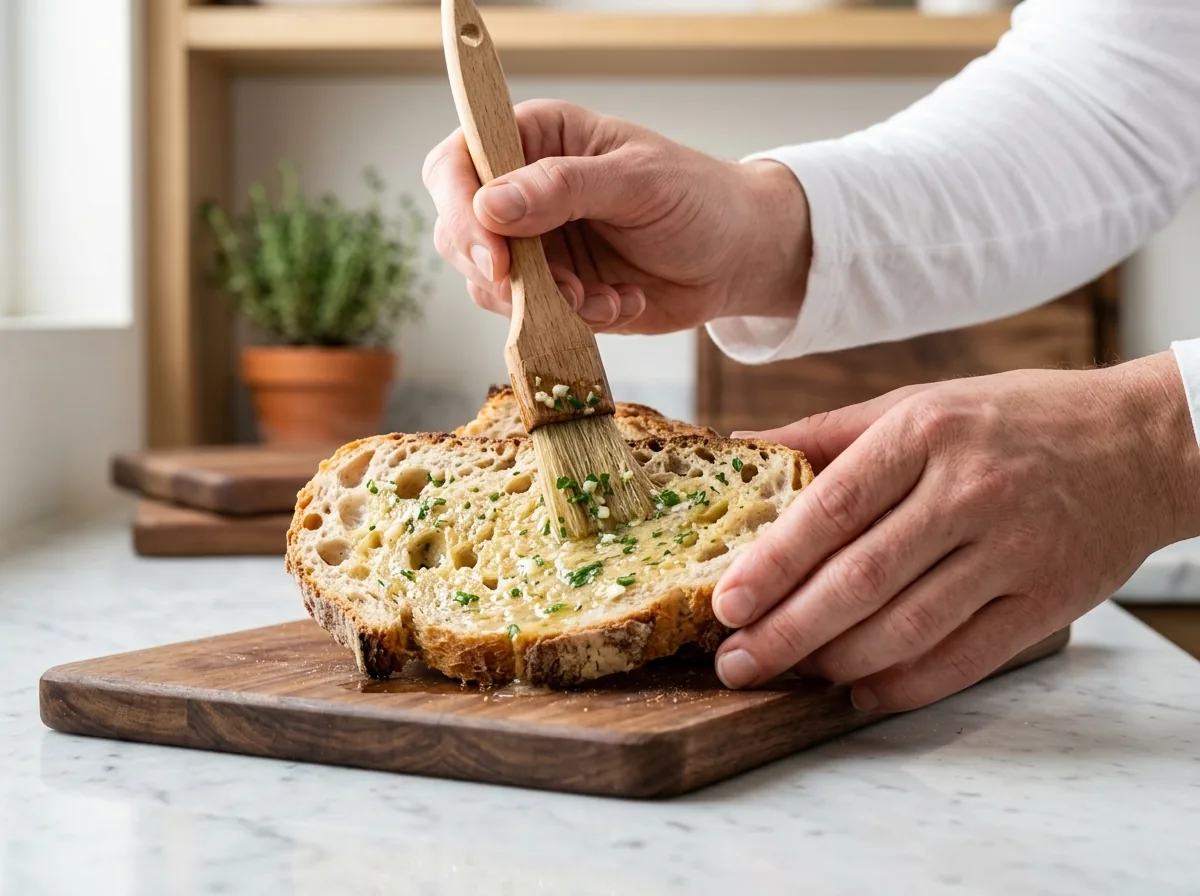
Blond, not brown. If your garlic butter has gone tan or nutty, you’ve made something else. It’s still edible, but the sweet garlic flavour is gone and a bitter edge has replaced it. Pull the pan the moment the edges turn colour, because residual heat keeps cooking.
 Save
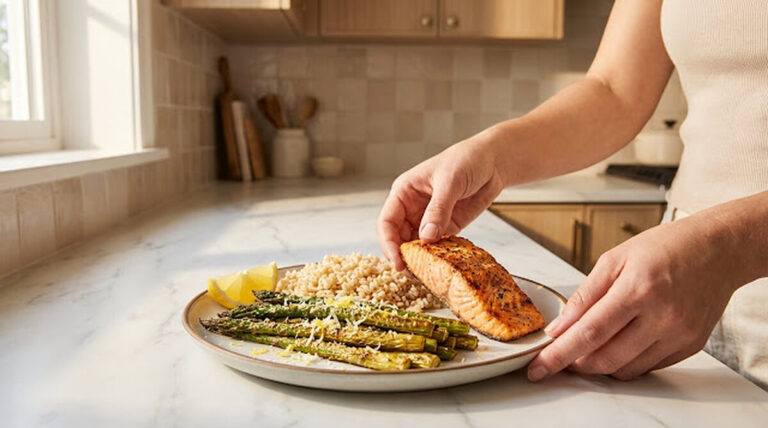
SaveBrush it onto torn bread, spoon it over steak, air fryer salmon, asparagus, or toss it through one-pan chicken and vegetables.
Garlic Butter Sauce
Ingredients
Method
- Put the butter and the chopped garlic into a cold skillet together. Do not preheat the pan.
- Set it over low heat and let the butter melt slowly around the garlic, about 3 minutes.
- Cook gently for another 2 minutes, until the garlic is soft and barely golden at the edges and the butter is foaming. It should never go past pale gold.
- Take the pan off the heat, stir in the parsley, and let the residual heat do the rest.
- Use warm, or pour into a jar and refrigerate.
Notes
How Do You Make Crunchy Garlic Oil?
This one takes the longest and rewards the most patience. It’s also the only sauce here with a genuine food-safety rule attached, which we’ll get to below. The goal is garlic that’s actually crisp, sitting in oil that tastes of garlic and chilli.
Ingredients
- 1 cup neutral oil (grapeseed, sunflower or vegetable)
- 1 whole head of garlic, sliced thin
- 1 to 2 tbsp coarse chilli flakes
Slice the garlic rather than mincing it. Larger pieces have more mass, so they brown far more slowly. Minced garlic, on the other hand, gives you a two-second cliff between golden and burnt, whereas slices give you an actual window. For instance, we’ve found a whole head sliced thin holds its colour long enough to photograph, which minced garlic never does.
Method
- Put the sliced garlic into the cold oil in a small deep saucepan. Cold oil, garlic already in.
- Set it over low heat. Fine bubbles will start streaming from the edges of the slices after a few minutes.
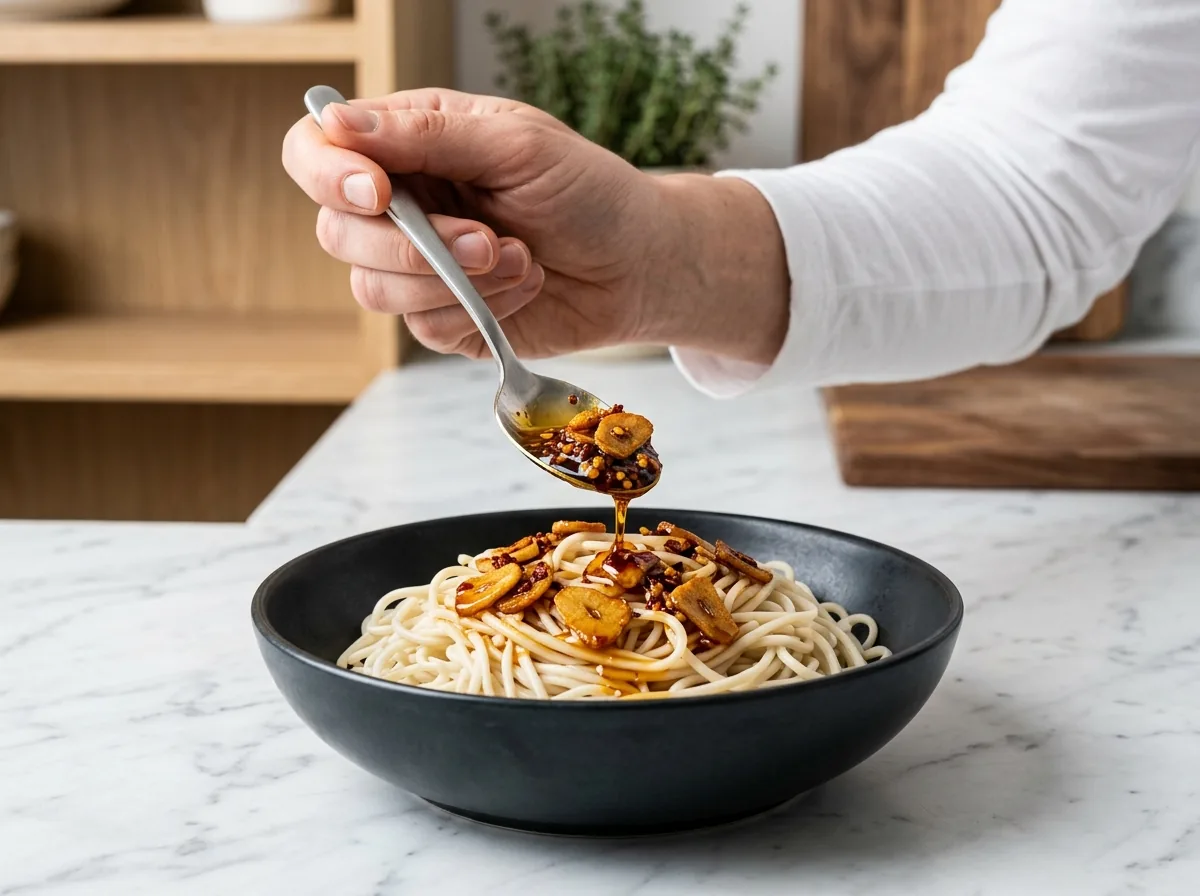
- Let it bubble gently for 10 to 15 minutes, until the slices turn from ivory to a rich toasted amber and curl slightly at the rims.
- Take the pan off the heat before you add the chilli. The residual heat is more than enough to bloom the flakes, and ripping-hot oil scorches them.
- Stir the chilli flakes in and let the whole thing cool in the pan before jarring.
Why off the heat? Capsaicin is lipophilic, meaning it dissolves in fats and oils and not in water (ScienceDirect). The oil pulls the heat out on its own. Adding flakes to oil that’s still hot enough to fry doesn’t extract more, it just burns them.
 Save
SaveSpoon it over noodles, rice, dumplings, chickpea salad, or crispy air fryer veggies. A spoonful on a fried egg is the best two-minute breakfast in this post.
Crunchy Garlic Oil
Ingredients
Method
- Put the sliced garlic into the cold oil in a small deep saucepan. Cold oil, garlic already in.
- Set it over low heat. Fine bubbles will start streaming from the edges of the slices after a few minutes.
- Let it bubble gently for 10 to 15 minutes, until the slices turn from ivory to a rich toasted amber and curl slightly at the rims.
- Take the pan off the heat before you add the chilli. The residual heat is more than enough to bloom the flakes, and ripping-hot oil scorches them.
- Stir the chilli flakes in and let the whole thing cool in the pan before jarring.
Notes
Which Sauce Should You Make?
Depends what you’re eating and how long you want it to last. All three are cheap and fast, but they’re not interchangeable, and one of them has a hard four-day limit that the other two don’t.
| Sauce | Heat level | Best pairing | Prep time | Keeps for |
|---|---|---|---|---|
| Hot honey | Medium, adjustable | Fried chicken, pizza, cheese boards | 5 min + 15 min steep | Months, sealed cupboard |
| Garlic butter | None | Bread, steak, fish, vegetables | 5 min | 4 to 5 days, refrigerated |
| Crunchy garlic oil | Medium to hot | Noodles, rice, dumplings, eggs | 15 min + cooling | 4 days, refrigerated |
If you only make one, make the hot honey. It keeps the longest, needs no refrigeration, and goes on both savoury and sweet food. If you’re cooking dinner tonight, make the garlic butter, because it takes five minutes and improves almost anything already on the stove.
Storage: Three Sauces, Three Very Different Rules
This is the section to read twice, because the three sauces are not stored the same way and treating them alike is the one mistake here that actually matters.
Hot honey goes in a sealed jar at room temperature, in a dark cupboard, and keeps for months. Do not refrigerate it: honey crystallises fastest between 10C and 15C (50F to 59F) and won’t crystallise above 30C, according to a 1999 review of honey rheology in the International Journal of Food Properties. A fridge sits right in the worst band. If a jar does go grainy, stand it in a bowl of warm water and stir until it clears.
Garlic butter goes in the fridge and keeps 4 to 5 days. It’ll set solid, which is fine. Let it come back to room temperature or warm it gently rather than microwaving it.
Crunchy garlic oil is the one with a real limit. Garlic submerged in oil creates an anaerobic environment where Clostridium botulinum can produce toxin. The CDC’s botulism prevention guidance says to refrigerate homemade garlic or herb oils and throw them out after four days. The FDA has required an acidifying agent in commercial garlic-in-oil products since 1991, after botulism cases in 1989 were traced to garlic bread made with a garlic-in-oil product.
Most chili oil recipes get this wrong. A lot of them tell you it keeps for two to three months in the fridge. For an oil with garlic solids sitting in it, that contradicts CDC guidance, and frying doesn’t reliably destroy botulinum spores. Make a small batch and finish it inside four days. If you want the crisp garlic to last longer, strain the solids out and store them separately and dry, so nothing is left submerged.
Frequently Asked Questions
What is hot honey made of?
Hot honey is made of honey, chilli flakes and a pinch of salt. Warm the three together over low heat for about five minutes, then let them steep. Some recipes add a teaspoon of apple cider vinegar per cup for a sharper finish, but it isn’t required for safety or shelf life.
Can I make all three sauces in one session?
Yes, and it’s the efficient way to do it. None needs a preheated pan, so you can run them back to back in the same saucepan with a wipe between. Total active time is about 25 minutes. Just remember the garlic oil has to be eaten within four days while the hot honey keeps for months.
Why does my garlic turn bitter?
Because it burned. Garlic is high in sugar and low in moisture, and chopped pieces are small enough that heat penetrates almost instantly. Pushed too hard, the sugars pyrolyse rather than browning gently, which produces harsh bitter compounds. Start garlic in a cold pan and keep the heat low.
Is it safe to store homemade garlic oil at room temperature?
No. Garlic submerged in oil is an anaerobic environment where Clostridium botulinum can produce toxin. The CDC advises refrigerating homemade garlic or herb oils and discarding them after four days. Commercial garlic-in-oil products have required an acidifying agent since 1991 for this reason.
Do you need vinegar in hot honey?
No. Honey sits at roughly 17% moisture, low enough that bacteria and moulds can’t grow, so vinegar adds nothing in terms of safety. It’s a flavour choice: acid cuts the sweetness and thins the pour. Use half a teaspoon per cup, added off the heat, if you want that.
Which of the three is the most versatile?
Hot honey, by a distance. It’s the only one that works on both savoury and sweet food, from fried chicken to vanilla ice cream, and the only one that lives in a cupboard rather than a fridge. Garlic butter is the most useful mid-week; garlic oil is the biggest flavour upgrade per spoonful.
The Short Version
Three sauces, nine ingredients between them, and one rule that covers all of it: nothing here wants high heat. Warm the honey, don’t simmer it. Start the garlic cold, in both the butter and the oil. Add chilli to the oil off the heat.
Then remember the storage split, because it’s the only part with real consequences. Hot honey lives in the cupboard for months. Garlic butter gets five days in the fridge. Crunchy garlic oil gets four, and that number comes from the CDC rather than from taste.
One of the three goes on absolutely everything. Tell me which one in the comments.
About the author. Alex is the founder and recipe developer at Flavor Flip Recipes, where every recipe is cooked and photographed in a home kitchen before it goes up. Corrections and disagreements are welcome in the comments.
Sources
- Centers for Disease Control and Prevention, Botulism Prevention, retrieved 2026-08-07, https://www.cdc.gov/botulism/prevention/index.html
- Applied Food Research, Effect of heating and pH on hydroxymethylfurfural content, diastase and invertase activity of Dalbergia honey using response surface methodology, 2024, retrieved 2026-08-07, https://www.sciencedirect.com/science/article/pii/S2772753X2400162X
- International Journal of Food Properties, Rheology and Crystallization Kinetics of Honey: Present Status, 1999, retrieved 2026-08-07, https://www.tandfonline.com/doi/pdf/10.1080/10942919909524606
- Characterization and Quantification of Capsaicinoids and Phenolic Compounds in Two Types of Chili Olive Oils, Using HPLC/MS, 2022, retrieved 2026-08-07, https://www.ncbi.nlm.nih.gov/pmc/articles/PMC9367771/
- Datassential, What Is Hot Honey? Why It’s Everywhere, and What Comes Next, retrieved 2026-08-07, https://datassential.com/resource/flavor-trends-hot-honey/
- American Journal of Public Health, Garlic-in-oil associated botulism, 1990, retrieved 2026-08-07, https://ajph.aphapublications.org/doi/pdf/10.2105/AJPH.80.11.1372
- ScienceDirect, Capsaicin from chili peppers and its analogues and their valued applications, retrieved 2026-08-07, https://www.sciencedirect.com/science/article/abs/pii/S0963996925003710
- Google Ads data via DataForSEO, US search volume, retrieved 2026-08-07