Monthly Meal Planning: A Simple 4-Week System (With Sample Plan)
 Save
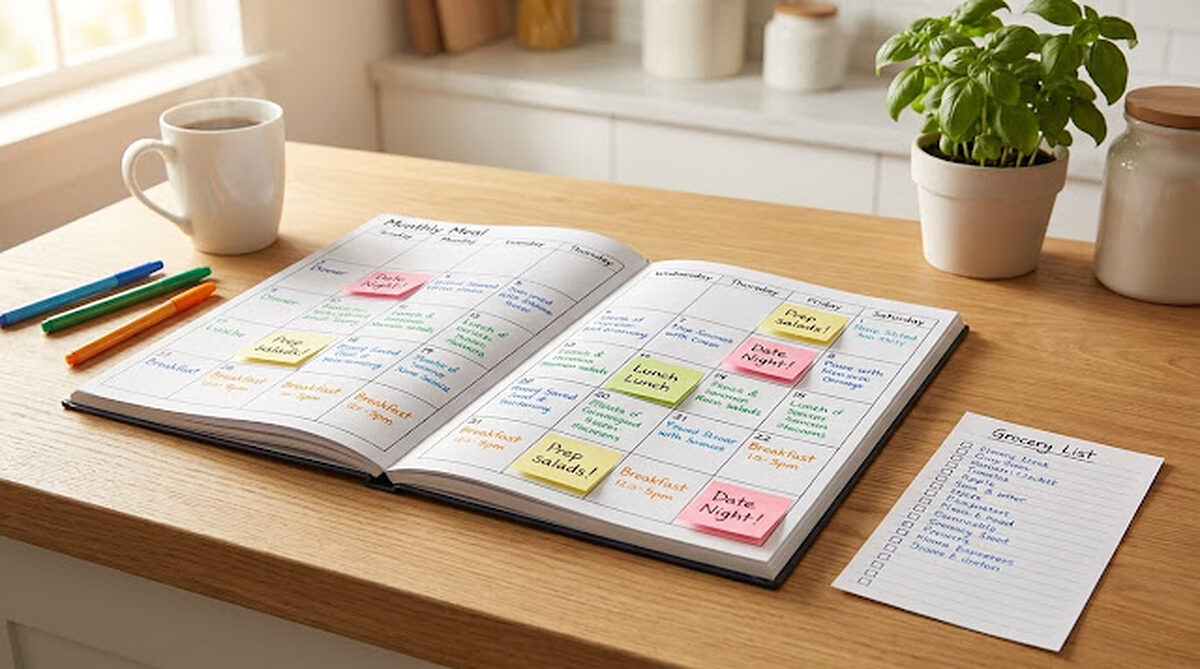
SaveMonthly meal planning means deciding a month of dinners in one sitting, then shopping and prepping one week at a time. You don’t need a fancy app. You need a short list of meals your household actually eats, a simple weekly structure, and a shopping list organized the way the store is laid out.
This guide gives you all three, plus a complete sample 4-week dinner plan built from recipes on this site, a sample shopping list, and a Sunday prep routine you can copy.
Step 1: Build a Short List of Meals You Already Make
Before you open a calendar, write down 12 to 15 dinners your household already likes and that you can cook without looking at a recipe twice. This is your recipe bank. A plan built from new, ambitious recipes usually falls apart by midweek; a plan built from meals you know takes almost no effort to follow.
Sort the list into three groups, because each one belongs on a different kind of night:
- Fast (under 30 minutes): for work nights. For example air fryer salmon, ground beef tacos, or air fryer fish tacos.
- Hands-off: for your busiest days. A slow cooker beef roast or one-pan chicken and vegetables.
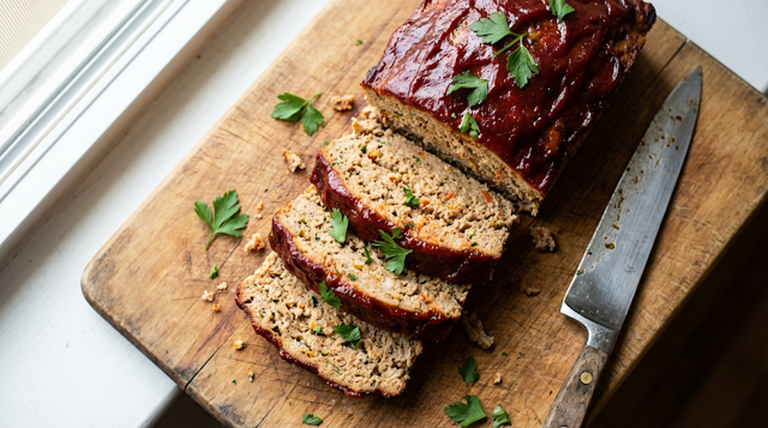
- Make-ahead: dishes that reheat well for lunches, like turkey meatloaf, hash brown casserole, or Amish meatball noodles.
Step 2: Give Each Weeknight a Job
The easiest way to fill a month is to give each night a category rather than a specific meal. Then you only choose which taco, which sheet pan, which soup. A structure that works for most households:
| Night | Job | Why it’s there |
|---|---|---|
| Monday | Big-batch protein | Cook extra so Tuesday and lunches are half done |
| Tuesday | Tacos or bowls | Uses Monday’s leftover protein |
| Wednesday | Air fryer or 20-minute meal | Midweek is when plans usually break, so keep it quick |
| Thursday | Slow cooker or one-pan | Hands-off on a long day |
| Friday | Flex night | Leftovers, freezer meal, or eating out, no guilt |
| Saturday | Something you enjoy cooking | More time, so it can be a longer recipe |
| Sunday | Make-ahead dish + prep | Feeds Sunday dinner and Monday or Tuesday lunches |
The flex night matters more than it looks. Plans rarely fail because of one bad recipe; they fail because life gets in the way on a Thursday and the ingredients you bought go bad. One planned open night per week absorbs that.
Sample 4-Week Dinner Plan
Here is a full month using the structure above and recipes from Flavor Flip. Swap any meal for one from your own list; keep the job of the night the same.
| Week 1 | Week 2 | Week 3 | Week 4 | |
|---|---|---|---|---|
| Mon | One-pan chicken and vegetables (double the chicken) | Turkey meatloaf | Honey garlic chicken (double batch) | Slow cooker beef roast |
| Tue | Buffalo chicken tacos with leftover chicken | Ground beef tacos | Rice bowls with leftover honey garlic chicken | Beef roast sandwiches or bowls |
| Wed | Air fryer salmon + asparagus | Air fryer fish tacos | Air fryer salmon + roasted vegetables | Air fryer fish tacos |
| Thu | Slow cooker beef roast | One-pan chicken and vegetables | Amish meatball noodles | One-pan chicken and vegetables |
| Fri | Flex night | Flex night | Flex night | Flex night |
| Sat | Crispy fried chicken | Beef tataki au poivre | Homemade pizza night | Crispy fried chicken |
| Sun | Hash brown casserole | Amish meatball noodles | Golden crusted casserole | Turkey meatloaf |
Notice what the plan does on purpose: in most weeks Monday makes extra and Tuesday uses it, every week has one fish night and one easy one-pot or slow cooker night, and Friday stays open. Once that rhythm is set, filling next month’s plan takes a few minutes.
Step 3: Plan Ingredient Overlaps
Food waste in a meal plan usually comes from buying an ingredient for one recipe and using only part of it. The fix is to check your week for ingredients that can show up two or three times:
- Cooked chicken: Monday dinner, Tuesday tacos, and a Wednesday lunch bowl.
- A big pot of rice: Tuesday bowls, then fried rice or a side later in the week. Cool it quickly and refrigerate it within a couple of hours.
- Roasted vegetables: a side on Sunday, a grain bowl on Monday, folded into eggs on Tuesday.
- Half a bunch of cilantro or a bag of spinach: plan a second meal for it the same week, or it will wilt before you use it.
 Save
SaveStep 4: Write the Shopping List by Store Section
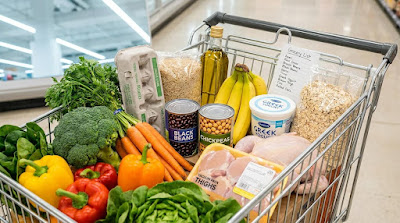
Shop one week at a time, even with a monthly plan, so produce stays fresh. Write the list by store section, not by recipe, so you walk through the store once. Here is what Week 1 of the sample plan looks like for a household of four:
| Section | Week 1 items |
|---|---|
| Produce | Asparagus, bell peppers, onions, carrots, potatoes, lettuce or cabbage, limes, lemons, garlic, cilantro |
| Meat & fish | Chicken thighs (enough for Monday and Tuesday), salmon fillets, beef chuck roast, chicken pieces for Saturday |
| Dairy & eggs | Eggs, shredded cheese, sour cream or Greek yogurt, butter, milk |
| Pantry | Tortillas, rice, hot sauce, broth, flour, spices you’re low on |
| Frozen | Shredded hash browns, a bag of mixed vegetables for backup |
Before you shop, check your fridge, freezer, and pantry against the list and cross off what you already have. That five-minute check is where most of the savings from meal planning come from.
Step 5: A One-Hour Sunday Prep Routine
 Save
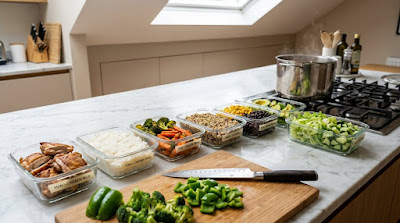
SaveYou don’t need to cook the whole week on Sunday. An hour spent on the slow parts makes every weeknight shorter. Work in this order so the oven and stove are used at the same time:
- Start the grain (0:00). A large pot of rice or quinoa.
- Roast a sheet pan of vegetables (0:05). Chopped peppers, onions, and carrots at a high oven temperature, or in batches in the air fryer.
- Wash and chop produce (0:10). Store onions and peppers in containers; wrap herbs in a damp paper towel.
- Make one sauce (0:30). A batch of hot honey or garlic butter changes the taste of plain chicken, rice, or vegetables all week.
- Portion snacks (0:45). Hard-boiled eggs, cut vegetables, or a batch of frozen yogurt clusters.
- Cool and pack (0:50). Let the rice and vegetables cool, then refrigerate them in shallow containers.
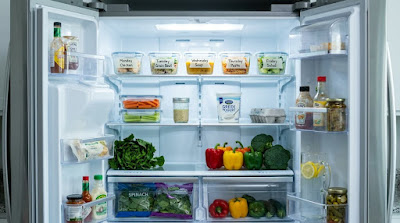
Cooked rice, vegetables, and chicken are generally best eaten within 3 to 4 days of refrigerating, so prep on Sunday for Monday through Wednesday, and freeze portions if you want them later in the week. The USDA’s leftovers and food safety guide covers storage times in more detail.
Breakfasts, Lunches, and Snacks
Plan dinners first; the rest of the day is easier to repeat. Two or three rotating options per meal are enough:
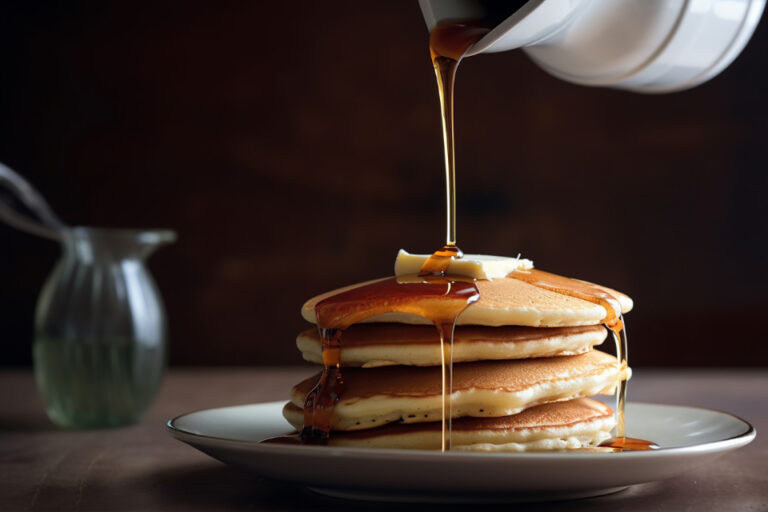
- Breakfast: protein pancakes (cook a double batch and freeze), pumpkin protein muffins, or avocado egg toast.
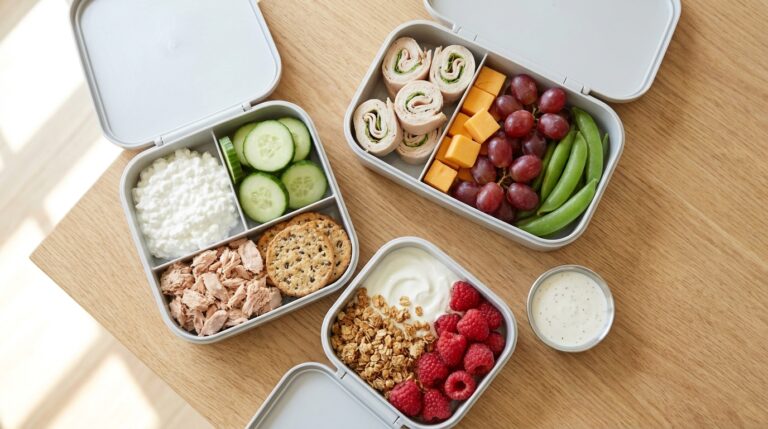
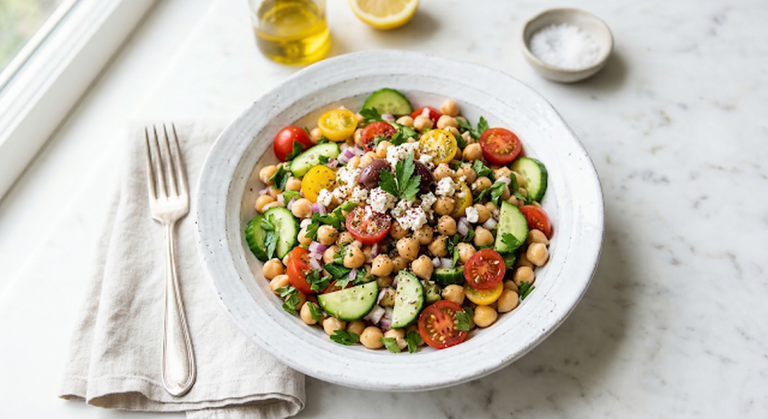
- Lunch: leftovers from the night before, a chickpea salad or tuna avocado salad, or a week of homemade adult lunchables.
- Snacks: peanut butter banana bites, deviled eggs, or ideas from our high protein snacks guide.
Why Meal Plans Fall Apart (and How to Fix It)
| Problem | Likely cause | Fix |
|---|---|---|
| You stop following the plan by Wednesday | Too many new or long recipes on weeknights | Keep weeknights to meals you already know; save new recipes for Saturday |
| Produce goes bad before you use it | Delicate produce planned for late in the week | Use leafy greens and herbs early in the week; plan frozen or sturdy vegetables for Thursday onward |
| Everyone gets bored | Recipe bank is too small | Keep the night’s job but rotate the recipe, like a different taco each Tuesday |
| The grocery bill doesn’t go down | Shopping without checking what’s at home | Do the fridge and pantry check before writing the list |
 Save
SaveFrequently Asked Questions
How long does monthly meal planning take?
The first month takes longest, usually about an hour, because you’re building your recipe bank and structure. After that, filling in a new month is mostly swapping meals within the same structure, and each weekly shopping list takes a few minutes.
Should I shop for the whole month at once?
Buy pantry staples and freezer items monthly if you have the space, but shop for fresh produce, dairy, and fresh meat or fish weekly so nothing spoils before its planned night.
What if my plan falls apart on a busy night?
Move that meal to the flex night and eat something simpler. Keeping one freezer meal and one pantry meal, like pasta with jarred sauce, as a permanent backup means a missed night never turns into wasted groceries.
How many recipes do I need for a monthly meal plan?
About 12 to 15 dinners is enough. The sample plan above uses 13 recipes from this site plus a pizza night and a leftovers bowl night, with planned repeats, and never serves the same dinner twice in one week.
How do I get my family to stick to the plan?
Let each person pick one dinner for the month and put it on the calendar where everyone can see it. When people know what’s coming, and something they chose is on the list, there’s much less negotiating at dinnertime.
Start With Next Week
You don’t have to plan a perfect month on day one. Write down your 12 favorite dinners, assign each weeknight a job, and plan just next week. Once one week works, copy the structure into the next three. If you want a head start, use the sample plan above as-is and change it as you go.